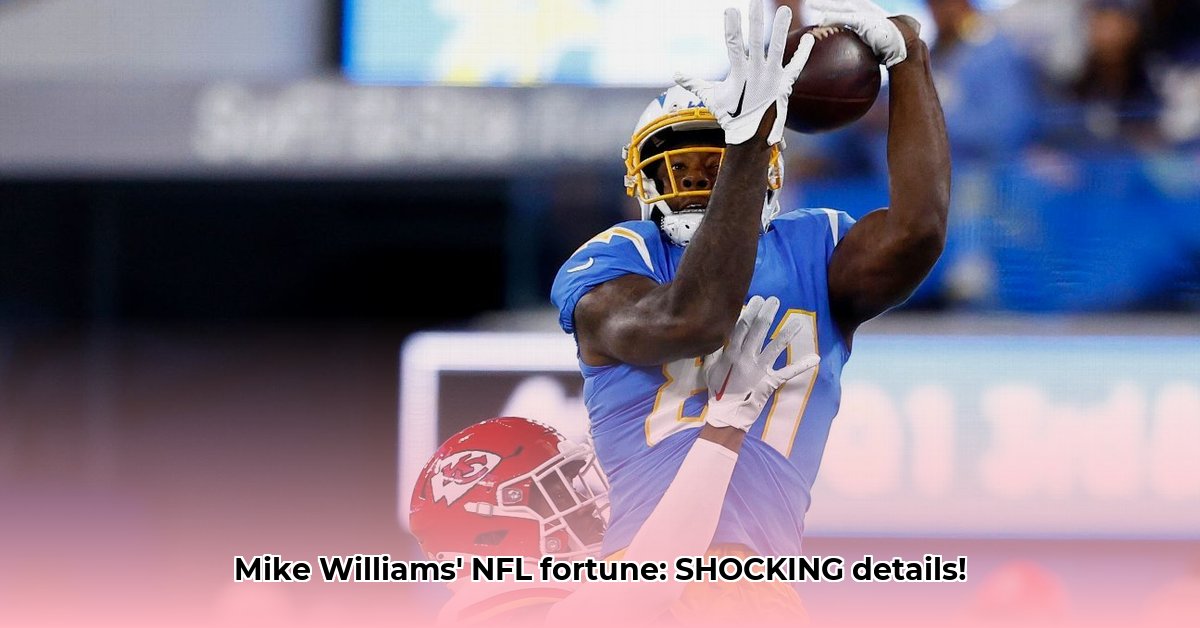
Two Mikes, Two Destinies: A Tale of NFL Fortunes
The National Football League (NFL) is a crucible of athleticism and immense wealth, yet the distribution of that wealth is far from uniform. This article explores the stark contrast in net worth between two NFL players sharing the same name: Mike Williams. One amassed a fortune exceeding $60 million; the other, approximately $5 million. This disparity isn't simply a matter of talent; it's a compelling narrative woven from contract negotiations, injury risks, and astute (or less-than-astute) financial decisions. Understanding their contrasting trajectories provides valuable insights into financial planning for athletes and beyond.
The Stark Reality: A Net Worth Divide
The difference in their post-NFL financial landscapes is breathtaking. One Mike Williams, despite a successful but shorter career, accumulated an estimated net worth of around $5 million. His counterpart, enjoying a longer and more prominent career, boasts a net worth exceeding $60 million. This massive discrepancy highlights the intricate interplay of career longevity, financial acumen, and unforeseen circumstances in shaping post-NFL financial health. How did these factors contribute to such dramatically different outcomes?
Contractual Crossroads: Shaping Financial Futures
The structure and length of an NFL contract significantly impact a player's long-term financial security. Long-term contracts with substantial guarantees provide stability, but also limit flexibility and future earning potential should a player's performance decline or injury occur. Shorter contracts offer the chance for higher earnings based on market value, but also introduce greater risk and vulnerability. A key aspect of the difference between the two Mike Williams' financial success lies in the strategic (or lack thereof) negotiation of these contracts, demonstrating the importance of skilled representation and financial foresight. This difference directly impacted their long-term earning potential.
The Unpredictability of Injury: A Constant Threat
NFL football is a brutally physical sport; injuries pose a constant threat, capable of abruptly ending careers and severely impacting future earnings. Both Mike Williamses experienced the harsh reality of this risk. However, the severity and timing of injuries, coupled with the presence (or lack) of robust insurance coverage, significantly influenced their post-retirement financial situations. This underscores the critical importance of injury prevention programs and comprehensive insurance policies for NFL players.
Beyond the Gridiron: Post-Career Financial Acumen
Long-term financial success in the NFL necessitates more than just lucrative contracts. Shrewd investments, profitable endorsements, and, most importantly, strategic long-term financial planning are essential for maintaining financial security beyond the playing field. Evidence suggests a significant divergence in the financial management practices of the two players. This difference in financial literacy and proactive planning likely constitutes a major contributing factor to the disparity in their net worth. Strong professional financial advice, early in a player's career, is paramount.
A Comparative Analysis: Career Highlights & Financial Outcomes
The following table summarizes key factors influencing each player's financial trajectory:
| Factor | Mike Williams (Shorter Career) | Mike Williams (Longer Career) |
|---|---|---|
| Estimated Net Worth | Approximately $5 million | Over $60 million |
| Career Length | Shorter | Significantly Longer |
| Contract Structure | Predominantly shorter-term contracts | Primarily longer-term contracts |
| Impact of Injuries | Significant negative impact | Less significant negative impact |
| Post-NFL Income/Investments | Likely limited | Significant and substantial |
This stark comparison underscores the crucial role that career length, contract negotiations, and post-NFL financial planning play in determining long-term financial success.
Securing Long-Term Financial Stability: A Guide for NFL Players
The contrasting financial journeys of these two athletes offer invaluable lessons. The average NFL career is exceptionally short (approximately 3.3 years), emphasizing the urgent need for robust financial planning.
Three Pivotal Insights for Financial Success:
- Negotiate Strategically: Contract negotiations demand expert advice. Focus on both total value and contract structure, prioritizing guaranteed money and minimizing risk.
- Diversify Income Streams: Don't rely solely on your NFL salary. Explore business opportunities, endorsements, and diverse investments for long-term financial security.
- Proactive Planning is Essential: Financial planning should begin early, extending far beyond the active playing years. Seek professional guidance to build a comprehensive financial plan.
The stories of these two Mike Williamses serve as potent reminders of the delicate balance between athletic achievement and financial prudence. Their diverse paths underscore the importance of financial planning and professional guidance in securing a financially secure future. The substantial difference in their net worth is a testament to the power of strategic career management and responsible financial decision-making.